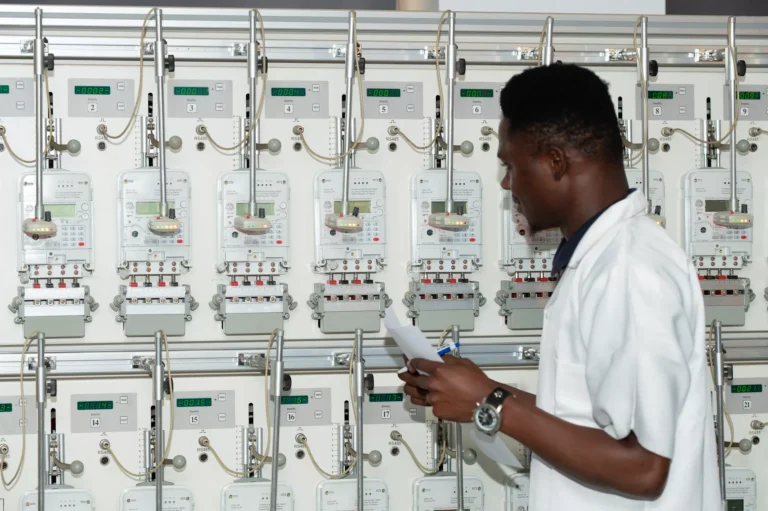
Energy Policy Breakdowns: How Nigeria’s Power Laws Are Rewiring the Sector

What happens when the rules of the game change?
Nigeria’s electricity sector is currently undergoing one of its most sweeping regulatory transformations in decades—and those policy shifts are reshaping not just how energy is generated and distributed, but who leads, who regulates, and where investments go.
For engineers, investors, and decision-makers, understanding these reforms is vital. Here’s a breakdown of exactly what’s changing, what’s at stake, and how to leverage this new energy era.
1. A New Legal Framework: The Electricity Act 2023
The Electricity Act (EA) of 2023 is the foundational reform that is rewriting Nigeria’s power sector.
As reported by The Nation, the Act devolves regulatory power, allowing states to create their own electricity markets and regulatory bodies.
Why it matters:
- State autonomy: Eleven states—including Lagos, Ogun, and Enugu—now have the authority to regulate local electricity markets.
- System Operator Reform: The Act created the Nigeria Independent System Operator (NISO), separating grid operations from transmission ownership (previously held by TCN, the Transmission Company of Nigeria).
- Strategic planning: The Ministry of Power is required to develop a National Integrated Electricity Policy (NIEP), aligning federal and state regulations under one coordinated framework.
This structural overhaul is designed to increase efficiency, foster competition, and make markets more attractive to private investment.
2. Renewables Get Legal Muscle: NIEP & Green Energy Integration
In May 2025, Nigeria’s Federal Executive Council approved the NIEP, which is set to guide the nation’s energy transition.
Under the NIEP:
- Renewable energy (solar, wind, mini-grids) is formally prioritized
- Off-grid solutions will be deployed more aggressively
- Cross-state coordination will improve, helping states scale renewables in a harmonized way
The policy is reviewed every five years, signaling long-term commitment.
Implications for you: For developers and investors, the NIEP presents a clear roadmap. Solar and decentralized power projects — particularly mini-grids — now operate under a stable, legally backed policy that aligns with national goals.
3. Decentralized Regulation: States Taking Charge
One of the most powerful consequences of the Electricity Act 2023 is the decentralisation of regulatory control. NERC has already transferred oversight to 11 states that met statutory requirements.
This move enables:
- Local regulatory bodies to issue licenses and regulate distribution companies
- Faster, more localized decision-making on tariffs and investments
- States to develop tailored electricity policies that suit their unique energy needs
In short, state governments are now co-pilots of the power sector, not just passengers.
4. Net Billing & Prosumer Policy: Solar Users Empowered
One of the most strategic proposals from NERC in 2025 is a net-billing policy that lets solar owners (prosumers) feed excess energy back into the grid.
- Solar power generated and not immediately consumed is credited through a net billing mechanism
- This could unlock fresh investment into residential and SME-scale solar systems
- But critics warn: without robust grid infrastructure and accurate metering, crediting could be unfair or unsustainable
Why it’s a big deal: Net billing could fundamentally change the economics of renewables in Nigeria — turning solar producers into active participants in the national energy system, not just consumers.
5. Attracting Capital: Policy + Investment Momentum
Regulatory reforms have helped unlock private capital for Nigeria’s energy sector:
- Licensing reforms and greater state-level autonomy are making the market more transparent and investable.
- Capital-adequacy rules for power companies are being tightened to improve financial liquidity.
These changes are building a more bankable energy market — one where returns are clearer and risks better managed.
6. Policy Gaps & Risks: Not All Reform Is Risk-Free
Even with progress, challenges remain:
- Implementation risk: Creating state electricity regulators and ensuring harmonized regulation is easier said than done.
- Market fragmentation: States having different regulations could lead to inconsistent consumer protection and tariff frameworks.
- Solar net-billing: If the grid isn’t ready, there’s risk of crediting mishaps or delayed payments.
- Financing hurdles: While policies are more investor-friendly, capital costs for renewables and grid upgrades remain high.
Why This Matters for You
Engineers & Developers
- Expect clearer rules for designing and building grid and off-grid solutions
- Opportunities to partner at the state level on renewable infrastructure
Investors & Private Equity
- A regulated market with improved transparency and capital structure
- Legally backed pathways for financing large-scale generation and mini-grid projects
Policymakers & Regulators
- A framework that supports both decentralization and national coordination
- Room to advocate for more consistent, efficient policies
Corporate & Community Leaders
- Prosumer (solar + grid) models could help businesses monetize excess generation
- Policies that promote rural electrification and sustainability could bring socio-economic gains
Conclusion: Policy Is the New Power
Nigeria’s electricity policy shift isn’t just reform—it’s a system reboot.
By breaking down old legal bottlenecks, giving states regulatory power, and officially coordinating renewable strategies, the 2023 Electricity Act and associated policies are laying the foundation for a more modern, decentralized, and investment-friendly energy market.
Yes, risks remain. But for those who move quickly — developers, investors, policymakers — this is a pivotal moment.
Want to stay ahead?
Join our energy policy conversations, get updates on reform impact, and explore partnership opportunities: subscribe to the Turbo Energy Policy Digest forums, connect with our experts, or follow us on LinkedIn for real-time insights.