What’s Next in Africa’s Energy Sector? Key Trends Powering 2026 — and Why They Matter
What if the biggest shifts in Nigeria’s energy future are already happening , quietly, right beneath the grid? What happens when smart meters, mini-grids, and data intelligence collide? A new energy reality — and are you ready for it?
If you’re an engineer, decision-maker, or simply curious about the future of power, here’s your deep dive into the most critical energy trends driving Africa’s transformation.
Smart Metering: The Big Push to Close Nigeria’s Meter Gap
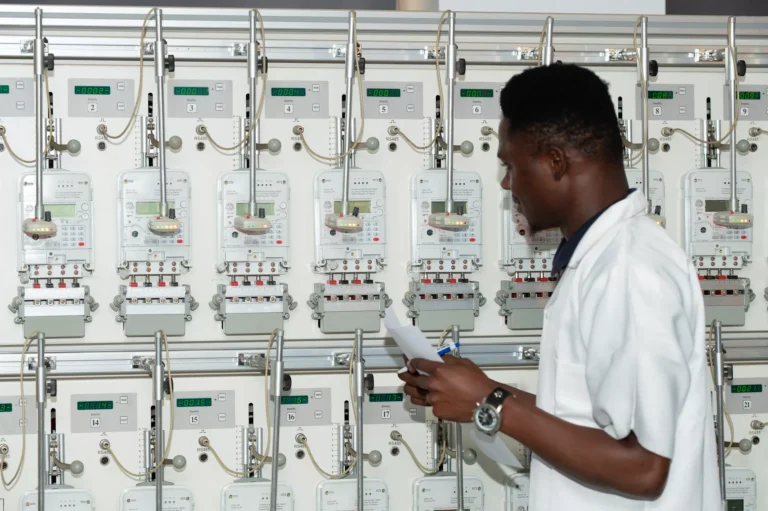
As you probably know by now, one of the biggest shifts in Nigeria’s power sector is the rapid deployment of smart meters.
In Q2 2025 alone, 225,631 new meters were installed, according to a NERC (Nigerian Electricity Regulatory Commission) report. That’s a 20.55% increase from the previous quarter; a clear proof that efforts to close the metering gap are gaining momentum.
Why this matters to you:
Smart metering isn’t just a technical upgrade—it directly shapes how energy professionals work, how utilities earn, and how businesses plan.
Accurate metering reduces gross technical & commercial losses, strengthens revenue assurance, and restores trust in a system that has long held back by estimated billing.
For engineers, this means clearer data and better load management. For utilities, this presents the difference between predictable cash flow and perpetual revenue leakage. For regulators and policymakers, this creates a transparent, data-backed foundation for fair tariffs and improved service delivery.
But here’s the real kicker:
Yes, we have a rising number of installations, but over 53% of Nigerian homes still remain unmetered. That gap represents both a persistent challenge and a major opportunity—whether you’re building solutions, investing in infrastructure, or implementing smarter energy strategies.
This isn’t just data to observe.
It’s data you can use:
- Plan smarter grid upgrades using real consumption insights
- Develop more bankable energy projects with reliable demand data
- Innovate around customer behaviour and usage patterns
- Spot market gaps in metering, infrastructure, and distributed energy services
In short:
The energy sector is shifting, fast—and those who understand the metering trends today are the ones who’ll shape the systems of tomorrow.
Conclusion: The Future of Energy Belongs to Those Who Act on It Now
Nigeria’s energy transformation is no longer a distant projection—it’s unfolding right now, reshaping how power is generated, distributed, measured, and managed.
For engineers, utilities, policymakers, and energy innovators, the real advantage lies in understanding these trends early and turning them into actionable strategy.
Smart metering adoption, grid modernisation, renewable integration, and data-driven planning are no longer optional upgrades. They are the foundation of a resilient, efficient, and future-ready energy ecosystem.
The organisations that invest in real-time data, distributed energy resources, predictive analytics, and smart grid technology today will be the ones leading Africa’s energy evolution tomorrow.
As the sector expands, challenges remain—policy updates, grid constraints, financing, and operational complexities. We’ll unpack these and more in articles such as “Grid Modernization: Smarter, Not Just Bigger” and “The Regulatory & Policy Landscape: Reform on the Move.” Stay tuned.
Want insights that keep you ahead?
Want to go deeper? Explore more insights on:
- Energy Policy Breakdowns: How Nigeria’s Power Laws Are Rewiring the Sector
- Future Energy Trends You Can Master
For broader context beyond Nigeria, these global resources offer essential background:
- The International Energy Agency (IEA) on global power sector trends
- IRENA’s data on renewable energy costs and market adoption
- The World Bank Energy Sector Management Assistance Program (ESMAP) for mini-grid and electrification reports
Follow us on social media, subscribe to the Turbo Energy Newsletter, or reach out to partner with our engineering and clean-energy experts.
The future of energy is already here—let’s build it together.